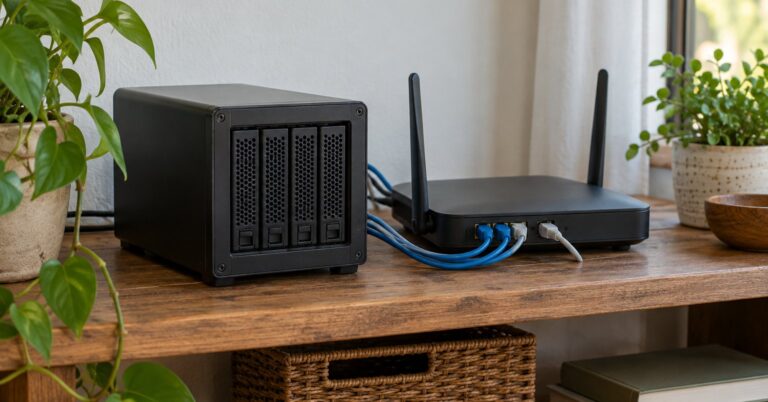
Technitium DNS Server review: control your network’s DNS
Want a free open-source DNS server? Learn how Technitium handles filtering, encrypted lookups, local logs and setup before choosing it for your home.
Want a free open-source DNS server? Learn how Technitium handles filtering, encrypted lookups, local logs and setup before choosing it for your home.
Considering Unbound, a free open-source DNS resolver? Learn what it protects, what stays unencrypted, and how to start safely on your home network.
Rethink DNS firewall is a free open-source Android app that blocks chosen apps and encrypts DNS lookups. See what it hides, and what it still does not.
dnscrypt-proxy is a free open-source encrypted DNS proxy for name lookups. See what it protects, where it runs, and how to point a computer at it.
Blocky is a fast, lightweight DNS proxy and blocker written in Go, configured entirely in one plain YAML file: blocklists, allowlists, per-client groups and encrypted upstreams. Built for people who prefer config files over dashboards. There is no web interface at all, and you administer it like any self-hosted service. Small, sharp, auditable in an […]
Pi-hole is a network-level DNS filter: a small self-hosted box that answers your network’s domain lookups and drops the ones that appear on its blocklists, so ads and trackers served from those domains disappear on every device, including TVs and consoles. Free, open source, with a dashboard that shows what was asked and what was […]
AdGuard Home is Pi-hole’s polished cousin: one binary, a friendly setup wizard, encrypted upstream DNS and per-client rules, all self-hosted and open source. It covers everything Pi-hole does with a more modern interface. Some advanced conveniences lean toward AdGuard’s commercial ecosystem, and like any DNS blocker it cannot touch same-domain advertising. The easy recommendation if […]
AdGuard DNS is a hosted encrypted resolver that drops a lot of ad and tracker domains before the page even loads. There is a family mode and a mode that only does security. Any device that can take a DNS hostname can use it. No app is required, though AdGuard also sells apps. It is […]
Pi-hole is a DNS sinkhole you run yourself, usually on a small computer on the home network. Devices use it as their resolver. Domains on your block lists get a dummy answer, so the ad or tracker never loads. The admin page shows which device tried to call which name. Pi-hole does not encrypt anything […]
Quad9 is a recursive DNS resolver run by a Swiss foundation. The address most people use is 9.9.9.9, or the encrypted name dns.quad9.net. It refuses to resolve domains that threat-intel lists mark as malware or phishing, and it says it drops your IP address at the edge instead of keeping a query log tied to […]
BellCrier breach check
Most people are, and never hear about it. BellCrier checks your email against known data breaches for free, then alerts you when it turns up in a new one, with exactly what leaked and how to fix it.